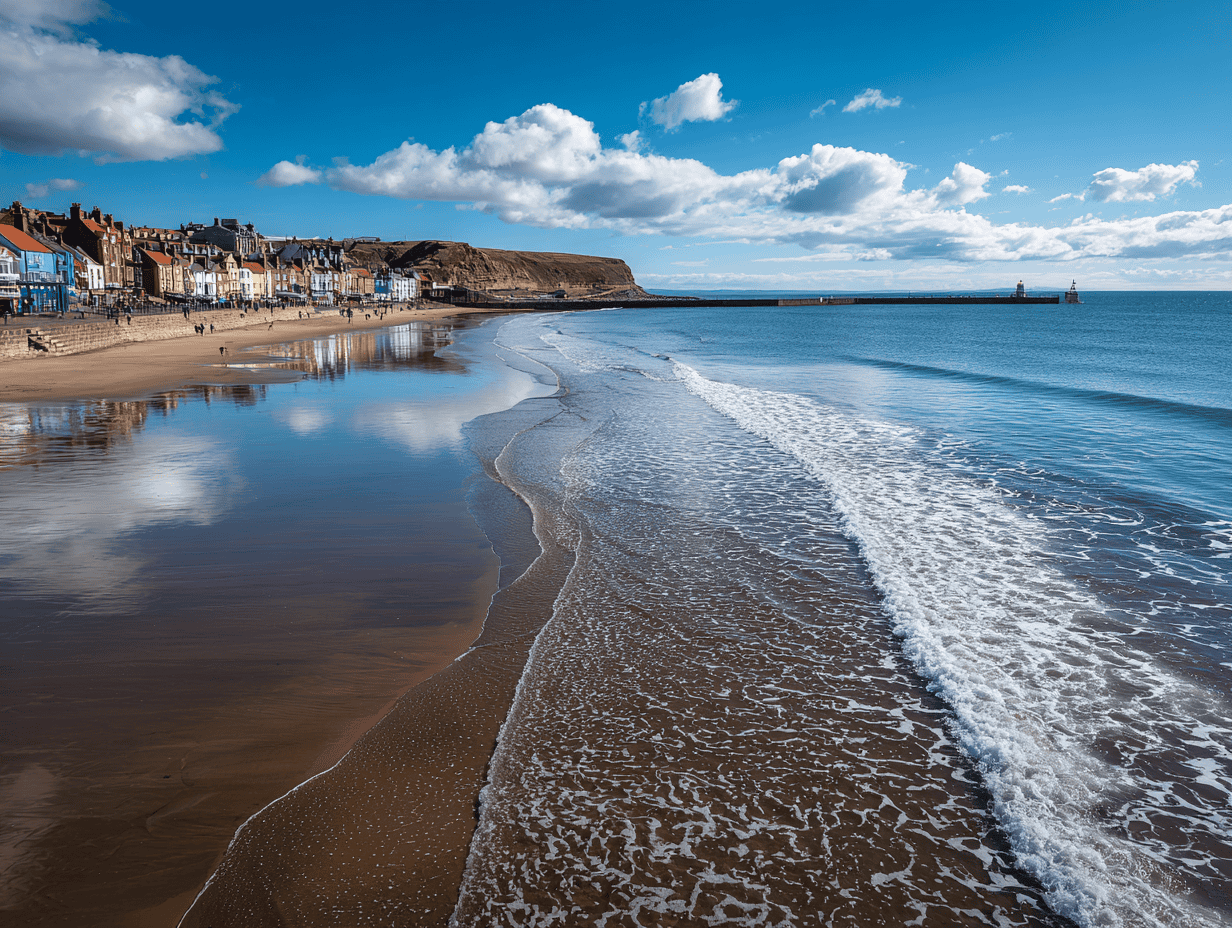
Smugglers, Fossils and Frosted Glass
Robin Hood’s Bay is a good sea glass hunting beach, particularly around the rocky reefs, rock pools and shingle exposed at lower tides. Green, brown and white are the most common finds, with blue, aqua, amber, turquoise, cobalt, black and lavender also reported. It’s not as prolific as Seaham, but the combination of sea glass, fossils and one of Yorkshire’s most atmospheric coastal villages makes it a brilliant beachcombing day out
Where to hunt: Central strandline → North Reef rock pools → shingle & crevices → south towards Boggle Hole
- Rating: Good Beach
- Terrain: Tricky
- Level: Intermediate
- Dog friendly: Yes, dogs welcome all year round
- Location: Robin Hood’s Bay, North Yorkshire
- Sat Nav: YO22 4QN (Bank Top) or YO22 4RE (Station Car Park)
- Common colours: Green, brown, white
- Rare colours: Blue, Black, Lavender
Today at Robin Hood’s Bay
Check below for your latest ShoreSense score and tide times. Scroll down for your full 7-day forecast
Robin Hood's Bay sea glass conditions
Robin Hood's Bay
North Yorkshire — Building swell
61/100 — Good, best window 16:01–19:01.
Best window is 16:01–19:01 with building E swell, so the chance of fresh finds is good today.
Good day at a reliable beach
Ranked #60 in the UK ShoreSense leaderboard today.
| Tide | Time | Height |
|---|---|---|
| Low water | 04:55 | 2.5 m |
| High water | 11:24 | 4.2 m |
| Low water | 17:31 | 2.8 m |
| High water | 23:33 | 4.4 m |
Best For:
- Rock pool searching
- Sea glass hunting
- Fossil hunting
- Low-tide exploration
- Storm hunting
- Historic coastline walks
- Well-tumbled glass
- Yorkshire coast adventures
The most characterful sea glass beach in Yorkshire
There are prettier beaches in Yorkshire. Some beaches have more glass per square metre. But Robin Hood’s Bay has something most beaches can’t claim: it’s genuinely difficult to have a bad day here.
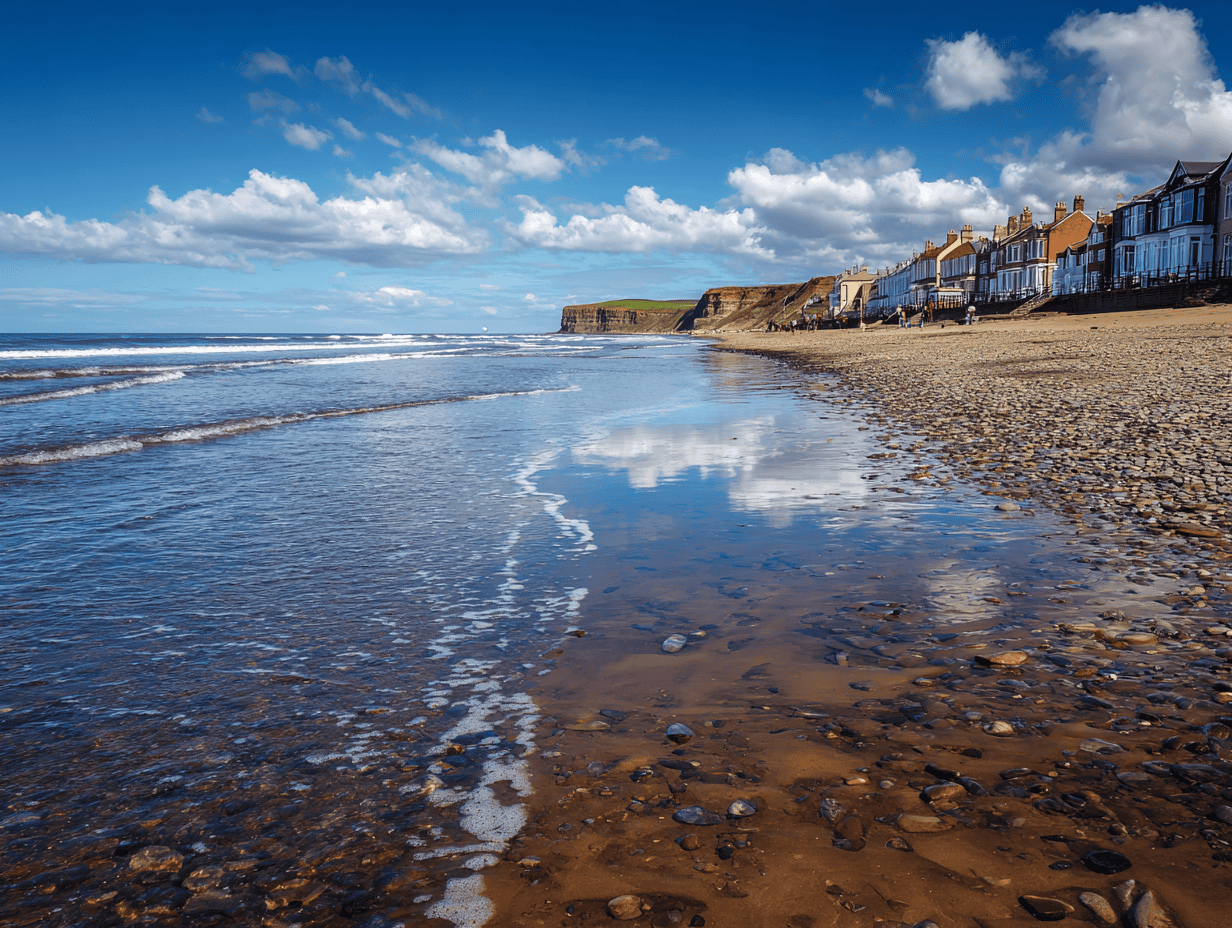
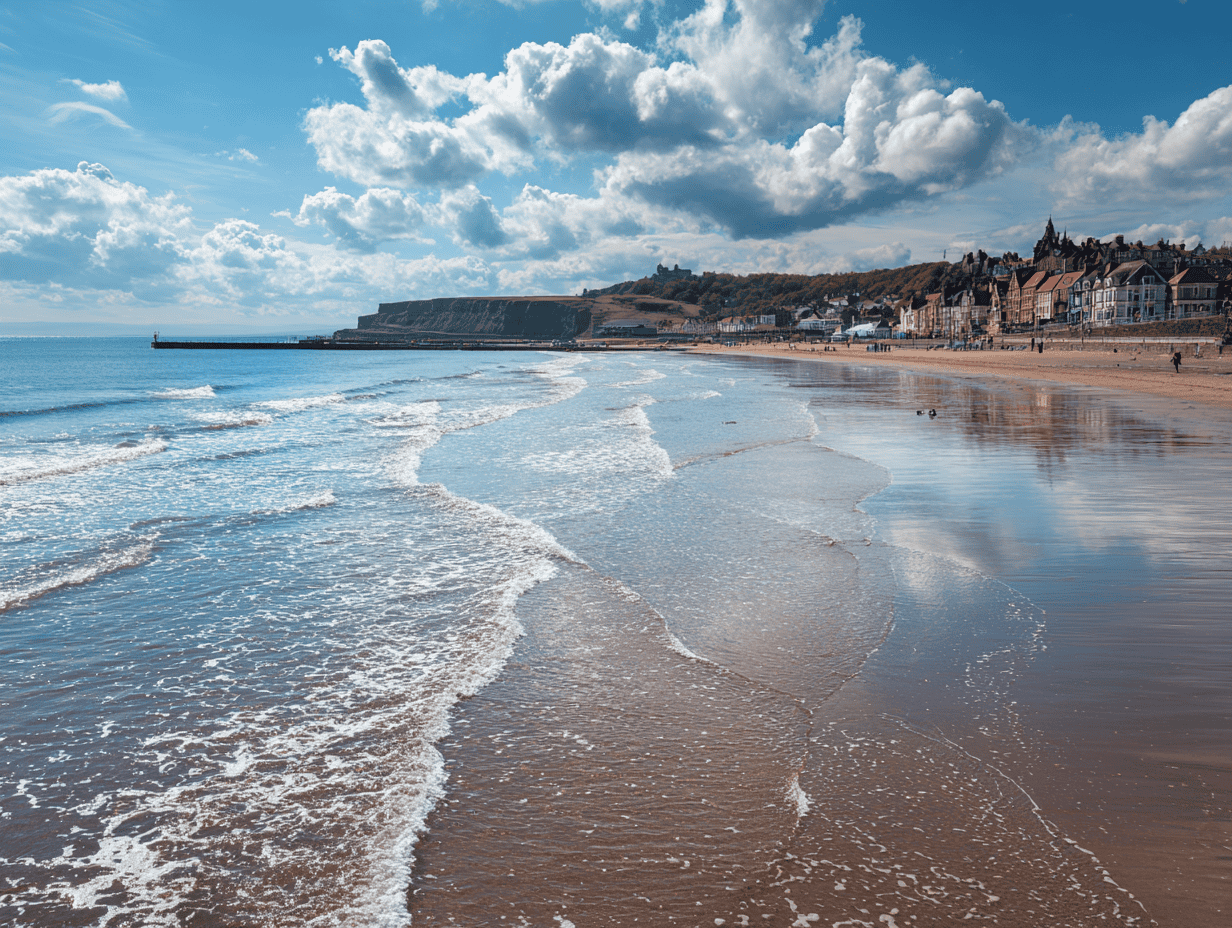
The village alone is extraordinary. A captivating fishing village clinging to the cliffs of the North York Moors National Park, where steep, narrow streets tumble down to a rugged shoreline steeped in smuggling lore. Known locally as Bay Town, this atmospheric hamlet enchants with its maze of cobblestone alleys, red-roofed cottages, and the restless crash of the North Sea. The beach lies at the bottom, reached down a hill steep enough to make you think twice about your return journey.
The glass finds here are real and consistent. Robin Hood’s Bay Beach is a hotspot for beachcombing, offering sea glass and driftwood alongside fossils and jet on every visit. The rocky foreshore, the rock pools exposed at low tide, and the pebble-and-sand mix create the right conditions for glass to concentrate and hold. After a North Sea storm, the reefs to either side of the bay produce genuinely exciting finds.
The honest assessment: this is a Good Beach, not a Top Beach. The volume won’t match Seaham or Boulmer. But Robin Hood’s Bay combines a reliable glass hunt with one of the best-looking and most atmospheric villages on the entire Yorkshire coast. Come for both, and you won’t be disappointed by either.
What you’ll find here
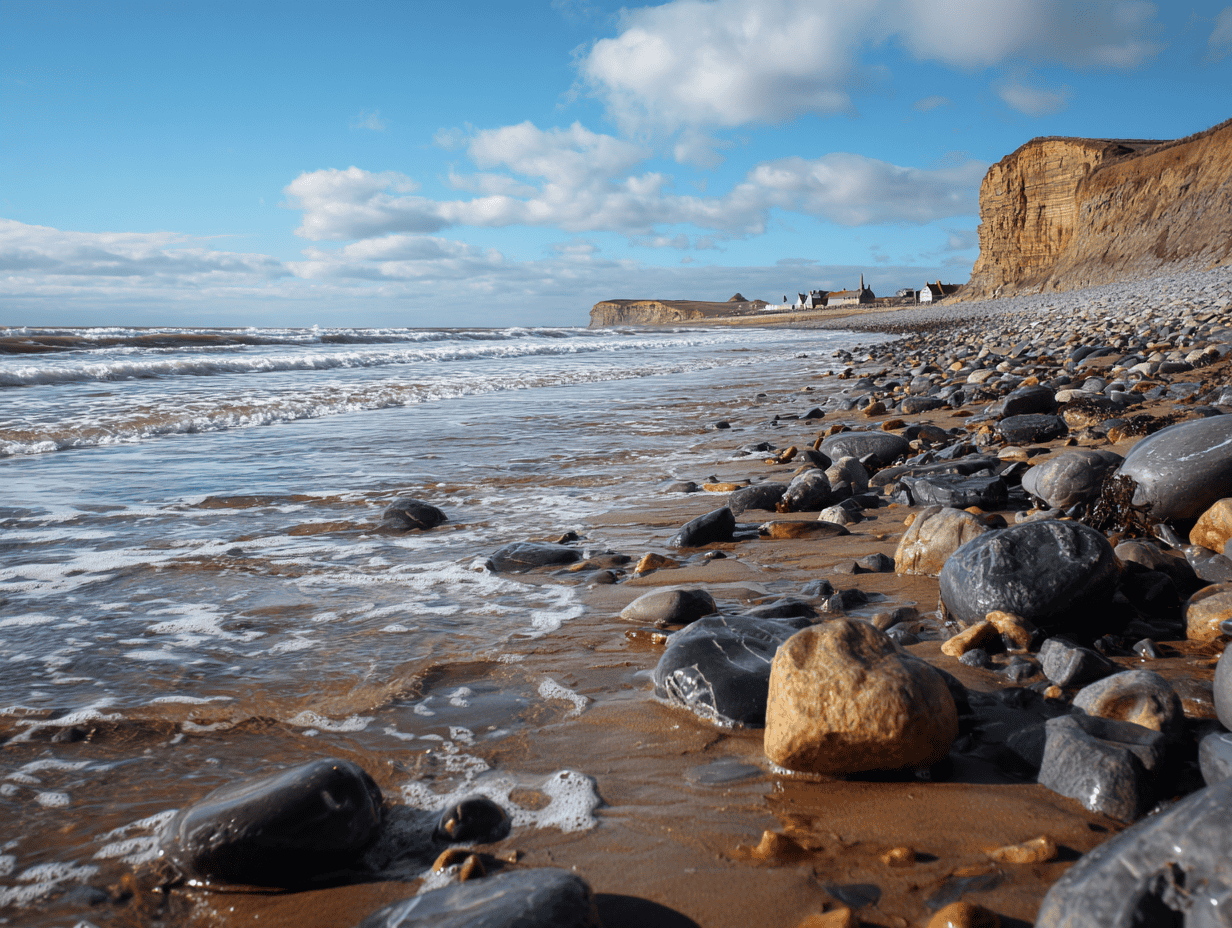
Robin Hood’s Bay is part of Yorkshire’s Dinosaur Coast. At low tide, the cliffs and rocks around the beach are popular with fossil hunters, where you can find ammonites, belemnites, and even dinosaur footprints. But the rock pools and shingle sections that make it brilliant for fossils also make it genuinely good for sea glass.
The Beck runs down to the sea at the neighbouring Boggle Hole and creates an interesting hunting ground; this is considered one of the best spots for sea glass in the area. The shingle and rocky sections on the north side of the bay are your primary targets.
Colours commonly found: Green, white, brown
Occasional finds: Blue, Aqua, Amber, Turquoise
Rare finds: Cobalt Blue, Black, Lavender
Bonus: Fossils, ammonites, especially on the north side of the bay. Good for ammonites, particularly on the north side. Easier access than nearby Saltwick Bay.
Found something unusual? Try GlassLore, our free sea glass scanner, to explore what it could be and log your find to the gallery and, more importantly, earn points and climb the leaderboard.
When to go
Robin Hood’s Bay faces east into the North Sea, the same sea that batters the Durham and Northumberland coast and drives glass south along the Yorkshire coast. Post-storm conditions here are excellent. The North Sea’s dominant longshore drift runs north to south, which means this beach sits downstream of decades of northern coast activity.
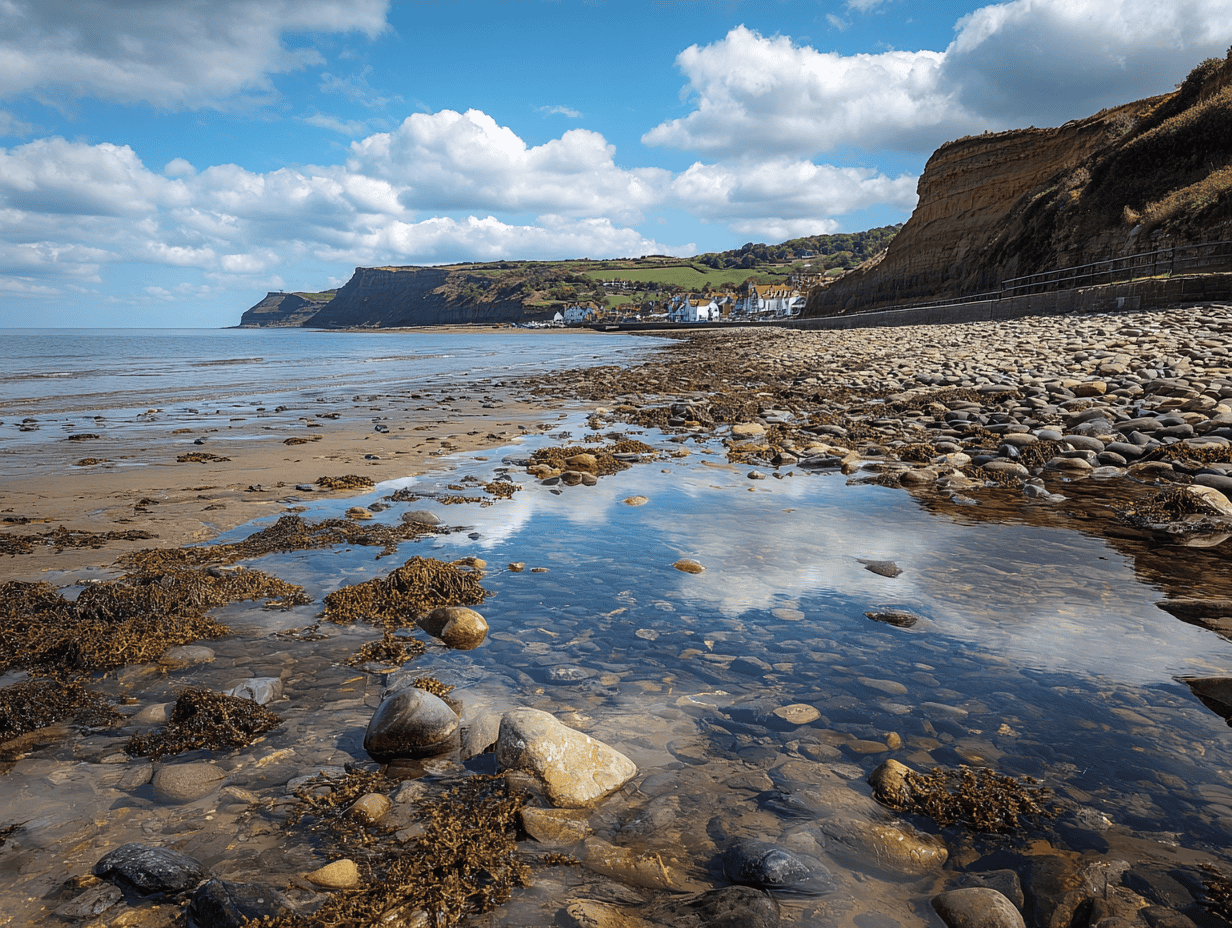
Spring tides expose the reefs to either side of the bay; these rocky platforms are where glass concentrates, trapped in crevices and pockets that the sandy central beach can’t hold onto. The reefs are only accessible at low tide and can quickly become cut off -check tide times carefully. Arrive at least an hour before low water to give yourself time to work the reef sections before the tide turns.
The best conditions for fossil and glass hunting at Robin Hood’s Bay are typically after winter storms, and the same logic applies to sea glass. Autumn and winter are the prime seasons: the North Sea is working hard, the beach is quieter, and the dog-friendly conditions mean your dog has the foreshore largely to himself.
Today’s ShoreSense Score & Best Hunting Window
Robin Hood’s Bay faces east into the North Sea with a tidal range of around 4–5 metres on a spring tide, enough to expose the rocky reef platforms on either side of the bay that are the best sea glass hunting ground. The tidal pattern is semi-diurnal with two highs and two lows per day. The reefs at both the north and south ends of the bay only appear on the ebb and can be cut off quickly. Timing matters here more than on a straightforward sandy beach.
The ShoreSense widget below combines recent marine conditions, tide timing and practical hunting weather to show today’s overall ShoreSense Score, Hunting Potential, Comfort and the best available hunting window for Robin Hood’s Bay Sea Glass. It uses UKHO tide data alongside current marine and weather inputs to help you judge whether conditions look promising for a hunt.
Robin Hood's Bay sea glass conditions
Robin Hood's Bay
North Yorkshire — Building swell
61/100 — Good, best window 16:01–19:01.
Best window is 16:01–19:01 with building E swell, so the chance of fresh finds is good today.
Good day at a reliable beach
Ranked #60 in the UK ShoreSense leaderboard today.
| Tide | Time | Height |
|---|---|---|
| Low water | 04:55 | 2.5 m |
| High water | 11:24 | 4.2 m |
| Low water | 17:31 | 2.8 m |
| High water | 23:33 | 4.4 m |
See Today’s best ShoreSense beaches, including our movers and shakers this week
Where to look on the beach
The beach divides naturally into three zones.
The central bay – mixed sand and pebble, the main beach that most visitors see. Glass turns up here along the strandline after any significant swell, mixed in with seaweed, shells and driftwood. Work the high-tide line systematically after stormy weather.
The north reef – the rocky platform to the north side of the bay, accessible at low tide via the footpath to the left of the main street passing the picnic area. The best area to collect from is the north side; head down the footpath to the left of the main street, past the picnic area, before reaching the beach. The rock pools here trap glass in crevices between tides. This is the most consistently productive section of the bay.
The south reef and Boggle Hole direction – towards the southern end of the bay, the rocky foreshore opens up. At very low spring tides, this section connects towards Boggle Hole. The transition between sand and rock concentrates material and is worth working carefully.
Crouch down and get your eye level low. Wet pebbles at the waterline reveal glass far more easily than dry stone further up the beach. Don’t rush Robin Hood’s Bay; it’s a methodical hunt, not a scan-and-grab beach.
Safety note: Visitors need to take care as some areas of the cliffs are prone to rock falls, and the incoming tides come in surprisingly quickly. Never get so absorbed in hunting that you forget to check the tide. Robin Hood’s Bay has caught out experienced walkers who turn around well before the tide comes in.
Key Tip:
Head straight for the North Reef at low tide. The rock pools and crevices on this side of the bay consistently trap more material than the central beach and are widely regarded as the most productive hunting ground in Robin Hood’s Bay.
Difficulty Level – Intermediate
- The most productive hunting areas are only accessible at lower tides
- Rocky reefs require careful footing, particularly when wet
- The best glass is often hidden within crevices and rock pools rather than lying in the open
- Timing your visit around tides significantly improves results
- A slow, methodical approach is rewarded more than covering lots of ground
Hunting Style – The Reef Forager
Robin Hood’s Bay rewards hunters who search the reefs rather than the sand. Focus on rock pools, crevices and the transitions between rocky foreshore and pebble patches. The best finds often come from carefully investigating areas where material becomes trapped between tides.
Beach Personality
Robin Hood’s Bay feels like a place built for discovery. The dramatic cliffs, sprawling reefs and maze of rock pools create a coastline that reveals more of itself with every falling tide. While many visitors come for the picturesque village, sea glass hunters know the real treasures lie hidden amongst the rocks. It’s not a beach that gives up its finds easily, but for those willing to slow down and search carefully, it can be surprisingly rewarding.
Dog friendly?
Robin Hood’s Bay Beach is dog-friendly all year round with absolutely no restrictions at any time of year. It’s one of the most genuinely dog-welcoming villages on the Yorkshire coast. The old fishing village streets are lined with dog-friendly pubs and cafes, and you’ll encounter plenty of other dogs on the beach, whatever the season.
The beach offers dogs interesting rock pools to splash around in and plenty of space to explore at low tide. The walk along the Cleveland Way toward Whitby, seven miles of dramatic clifftop, is one of the finest dog walks in England.
Looking for dog-friendly stops in Robin Hood’s Bay? Check our Yappy Places listing.
Practical information
Parking: There’s no parking at the seafront, and the lower village streets are far too narrow to drive. Park at the top and walk down. There are two North Yorkshire Council car parks: Bank Top (YO22 4QN), at the top of Bay Bank opposite the Victoria Hotel, and the larger Station Car Park (YO22 4RE) further up opposite the Grosvenor, with 212 spaces, two disabled bays and public toilets. Both are open 24 hours.
Charges apply in both except between 1 November and 28 February, when the council usually covers the meters, and parking is free, which happens to be the best hunting season. Pay by RingGo, coins or card. RingGo is noticeably cheaper than buying a permit from Baytown Stores up the road.
Important: the streets of the lower village are extremely narrow and difficult to navigate by car. Do not attempt to drive down; park at the top and walk.
Toilets: Public toilets are available at Station Car Park at the top of the village and at The Dock near the beach
Food and drink: Robin Hood’s Bay punches well above its weight for such a small village. Dog-friendly pubs and cafes throughout the village. The Cove (cafe by day, pizzeria by evening), Tea Toast and Post (cosy former post office), and several excellent pubs. The Quarterdeck cafe at Boggle Hole is a pirate-themed hidden gem worth the walk. Everything is made from sustainable materials and is genuinely good food.
Getting there without a car: Robin Hood’s Bay is 5.5 miles from Whitby and 16 miles from Scarborough. The Whitby to Robin Hood’s Bay coastal walk (7 miles) is one of Yorkshire’s classics, and many people arrive on foot. Buses run from Whitby. Check Arriva Yorkshire for current services.
Accessibility: Robin Hood’s Bay is challenging for anyone with limited mobility. The village drops steeply from the car parks to the shore, with narrow streets and uneven surfaces, and the beach itself becomes rocky and uneven at low tide. The clifftop area around the upper village offers good coastal views without tackling the full descent.
What to bring
- Waterproof footwear – the Beck at Boggle Hole can be ankle-deep, and the scaurs are wet
- A small container for finds, a zip-lock bag or Tupperware
- A hand lens, if you want to examine fossils properly
- Layers – the Yorkshire coast is exposed, and the North Sea wind is sharp
- Tide times – non-negotiable at Robin Hood’s Bay
- Time -the walk down and the hunt itself both deserve more than an hour
The history behind the glass
In the 16th century, Robin Hood’s Bay was a more important port than Whitby. It appears on old North Sea charts published by Waghenaer in 1586, marked with tall houses and an anchor, the symbol of a significant harbour. The fishing community here was large and active, and the vessels that worked out of the bay for centuries generated the accumulated maritime glass waste that the North Sea has been returning to the foreshore ever since.
But smuggling history defines Robin Hood’s Bay and gives it something no other beach in Yorkshire can claim. During the late 18th century, smuggling was rife on the Yorkshire coast. Vessels from the continent brought contraband, which contacts on land distributed. Tea, gin, rum, brandy and tobacco were among the goods smuggled into Yorkshire from the Netherlands and France to avoid duty.
Robin Hood’s Bay was reported to be the busiest smuggling community on the Yorkshire coast; whole families were involved, and the network of tunnels connecting houses to the beach meant contraband could travel from the bay to the clifftop without ever seeing daylight.
The glass from those smuggling vessels- spirit flasks, brandy bottles, gin jars, medicine phials- entered the water in this bay and in the waters offshore over two centuries of illicit trade. Some of it has been tumbling in the North Sea ever since.
Every amber or blue piece you find on these reefs could be from a Dutch smuggling run, a French brandy cargo, or the domestic waste of a fishing family who lived in one of these cottages three hundred years ago. Robin Hood’s Bay glass has a story to match its setting.
Disclaimer: Tide times, parking charges and beach conditions change regularly. Always verify before visiting. The reef sections at Robin Hood’s Bay can be cut off quickly by the incoming tide. Always check tide times before walking onto the rocks. Parking charges and the Fisherhead car park situation are subject to change. Check with North Yorkshire Council and local operators for current information.
Last updated: September 2026
Dog rules checked: September 2026 – North Yorkshire Council (no restrictions at Robin Hood’s Bay)
From beach to jewellery
Found something beautiful on the Yorkshire coast? At Mermaid Tears, every piece starts on a beach just like this one, hand-hunted and handmade. Browse the collection.
Frequently asked questions
Is Robin Hood’s Bay good for sea glass hunting? Yes, a good beach, particularly after North Sea storms. The rocky sections and scaurs trap glass well, and the walk to Boggle Hole adds a second productive hunting ground. Combine with fossil hunting for a full day.
When is the best time to visit Robin Hood’s Bay for sea glass? Low tide after a North Sea storm. Winter and early spring are quieter, and storms are more frequent. Always check tide times; the sea comes right up to the sea wall at high tide.
Is Robin Hood’s Bay dog-friendly? Completely, no restrictions at any time of year. One of the most dog-welcoming villages on the Yorkshire coast, with dog-friendly pubs and cafes throughout.
Where should I park for Robin Hood’s Bay? Station Car Park at the top of the village (YO22 4RA). Do not attempt to drive into the lower village; the streets are extremely narrow.
Can I walk to Whitby from Robin Hood’s Bay? Yes, the Cleveland Way coastal path runs the full seven miles between the two. One of the finest coastal walks in England. Allow 3–4 hours and check the weather.
What is Boggle Hole, and is it worth visiting? Yes, a short walk south along the beach at low tide, Boggle Hole has a pirate-themed YHA cafe and is considered the best sea glass hunting spot in the immediate area. Check tide times before walking the beach route; the coastal path is a safe alternative.
Explore more sea glass beaches in Yorkshire
Check out our Yorkshire Beach Guide or our interactive map to find more beaches; you can even filter by colour.