Every piece of sea glass started life as something: a beer bottle, a medicine jar, a Victorian inkwell, a factory offcut swept into the sea a century ago. The colour tells you what it was, and how hard you should be celebrating.
This guide ranks every colour found on UK beaches by genuine rarity based on what actually turns up on our documented hunts across 90+ beaches, not wishful thinking. Some colours you’ll find on your first ever hunt. Some take years. A couple most hunters never find at all.
One thing before we start: rarity isn’t the same everywhere. A beach’s industrial history decides what’s in the water, which is why Seaham produces colours the rest of the country simply doesn’t. Where a colour has a genuine hotspot, we’ve named it. And conditions change daily for where to hunt this week; check the live leaderboard.
How rare is your find?
| Tier | Colours | How often you’ll find it |
|---|---|---|
| Common | White, green, brown | Every hunt |
| Uncommon | Aqua, amber, turquoise | Most hunts, with a trained eye |
| Rare | Blue, cobalt blue, lavender, pink, yellow, grey, black | A handful a year, a good day |
| Exceptional | Red, orange, multi | The finds hunters wait years for |
GlassLore
Find something special. Use our Sea Glass Scanner to scan your glass and find its rarity, value, and history.
Common colours – your bread and butter
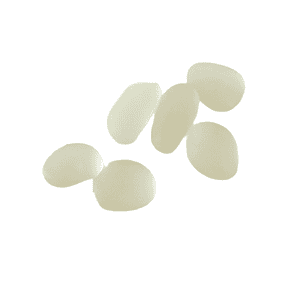
White (frosted clear)
The most common find on any UK beach is clear bottles, jars, and windows. Don’t dismiss it; a thick, perfectly frosted white piece is the foundation of sea glass jewellery, and older, chunkier pieces from pre-war bottles have a beautiful softness that modern glass never gets. For the best hunting conditions this week, check the leaderboard.
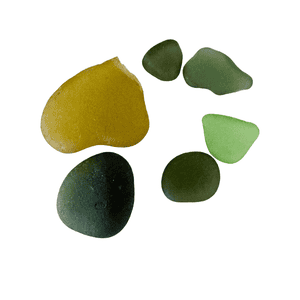
Green
Beer, wine and pop bottles, in endless shades from pale seafoam through classic bottle green to deep olive. The shade matters: soft seafoam greens and unusual olives are noticeably scarcer than standard bottle green, so sort your greens before you write them off.
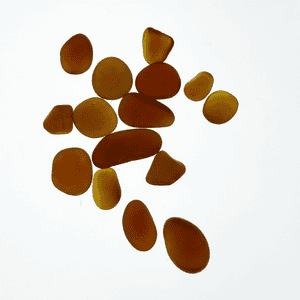
Brown
Beer and medicine bottles, mostly 20th century. The workhorse of the strandline. Look for well-frosted, well-rounded pieces and for the deeper root-beer ambers hiding among them, which start edging into uncommon territory.
Uncommon colours – the trained eye finds
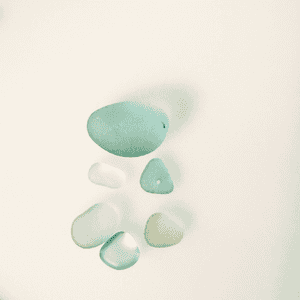
Aqua
That soft blue-green of Victorian and Edwardian bottles- old mineral waters, preserve jars and inkwells. Genuinely lovely and genuinely findable once your eye is tuned. Where to find aqua sea glass
Amber
Deeper and warmer than everyday brown – old whisky bottles, snuff jars, apothecary glass. The line between brown and amber is where casual finds become keepers. Where to find amber sea glass.
Turquoise
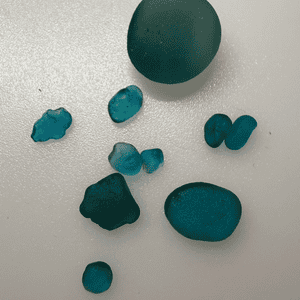
Brighter and bluer than aqua, from decorative glass and some early bottles. Scarce enough to make your day, common enough to genuinely hope for. Where to find turquoise sea glass.
Rare colours – a good day’s hunting
Blue
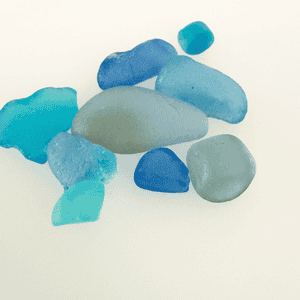
Classic soft and mid-blues from poison bottles, Milk of Magnesia bottles and decorative glass. The most findable of the rare tier, and always a thrill. Where to find blue sea glass.
Cobalt blue
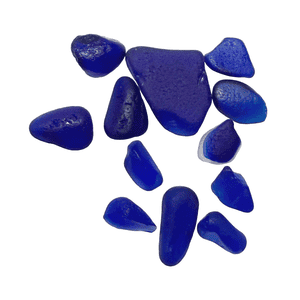
The deep, saturated blue of Victorian poison and medicine bottles – one of the most coveted colours in any collection. Where to find cobalt blue sea glass
Lavender
Here’s a colour with a story: lavender sea glass usually started life as clear glass. Manganese was used to decolourise glass until around WWI, and decades of UV exposure slowly turn it violet. You’re holding sunlight’s work. Where to find lavender sea glass.
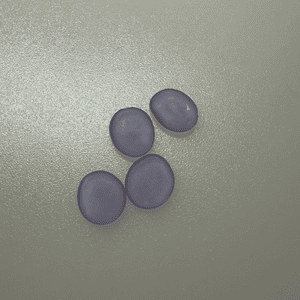
Pink
From rose-tinted tableware, decorative and cranberry glass. In the UK, your best-documented hunting grounds are Cornish beaches and the Bristol Channel. Where to find pink sea glass. Where to find Pink Sea Glass
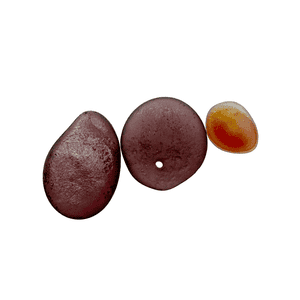
Yellow
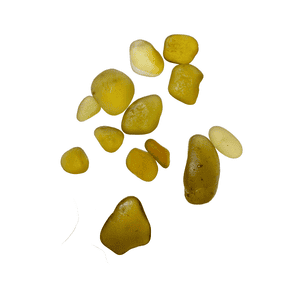
Genuinely rare- and one where beach choice is everything. Seaham’s factory history makes it the UK’s most reliable source; elsewhere, yellow is a once-in-years find. Where to find yellow sea glass.
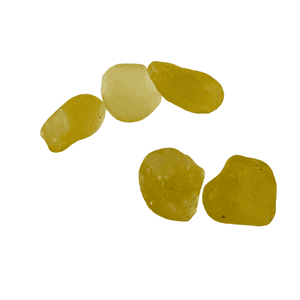
Grey
The quiet rarity nobody talks about- from old TV glass, some tableware and leaded glass. Subtle, smoky and much scarcer than its low profile suggests. Where to find grey sea glass.
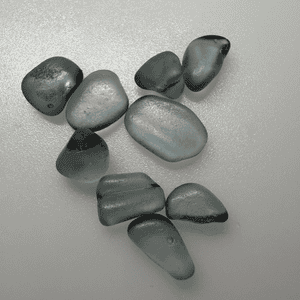
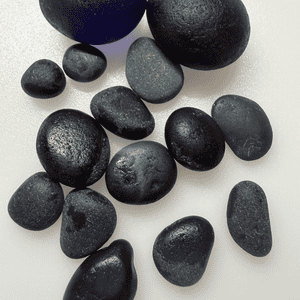
Black (Pirate Glass)
Hold it to the light: true black sea glass is almost always very dark olive green or amber, from thick 18th and 19th century bottles. Some of the oldest glass you’ll ever find on a UK beach. Where to find black sea glass.
Exceptional colours — the holy grails
Red
The find every hunter dreams about. Red glass was expensive to make, often coloured with gold, so little was ever produced, and less survived. Ship lanterns, tail lights, decorative glass. Most hunters go years between reds. Where to find red sea glass.
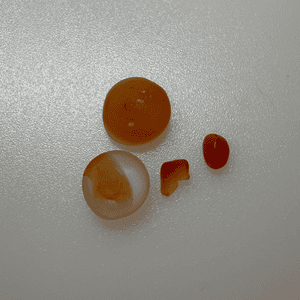
Orange
Rarer still than red, orange glass had almost no commercial use. Seaham is the only UK beach where we’d say your chances are better than pure luck. Where to find orange sea glass.
Multi
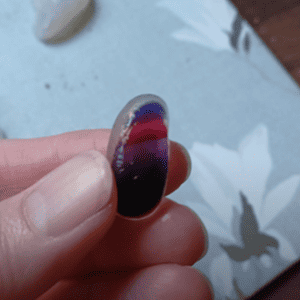
The Seaham signature: swirling multicoloured pieces from end-of-day glass, when Victorian factory workers swept the last remnants of coloured batches together. Nowhere else in the UK produces them, and only a handful of beaches worldwide ever have. If you find one, you’ll remember exactly where you were standing. Where to find multi sea glass.
Frequently asked questions
What is the rarest sea glass colour in the UK?
Orange is generally the rarest, followed closely by red and Seaham’s multicoloured end-of-day pieces. All three are finds that most hunters wait years form and in orange’s case, Seaham is realistically the only UK beach where the odds are in your favour.
Why is red sea glass so rare?
Red glass was expensive to produce; it often required gold in the mix, so very little was ever made compared with green and brown bottle glass. What little existed came from ship lanterns, warning lights and decorative pieces, so far fewer fragments ever reached the sea.
What is lavender sea glass?
Most lavender sea glass began as clear glass made with manganese, which was used as a decolouriser until around the First World War. Decades of sunlight slowly turn the manganese violet, so a lavender find is usually at least a century old.
Is black sea glass really black?
Almost never. Hold it up to strong light, and you’ll usually see very dark olive green or amber. It comes from thick-walled 18th- and 19th-century bottles, which makes “black” glass some of the oldest you can find on a UK beach.
What are Seaham multis?
Multicoloured swirled pieces unique to beaches near old glassworks. At the end of each shift, workers at Seaham’s Victorian bottleworks swept leftover coloured glass together, and the waste went into the sea, creating the marbled, multicoloured fragments that made Seaham world-famous among collectors.
Sea Glass Value
Use our Sea Glass Scanner, GlassLore, to find out its value, rarity and history; add it to our Gallery to earn points and climb the hunter rankings.
From beach to jewellery
Found something special? At Mermaid Tears, every piece starts exactly where you’re standing, rare colours hand-hunted from UK beaches and handmade into jewellery you’ll keep forever. Browse the collection.