Purbeck Stone, Victorian Ballast and a Harbour Shore
Swanage is a fair but worthwhile sea glass hunting beach, with Monkey Beach between the Victorian pier and old stone quay the best place to start. Green, brown, and white are the most common finds, with blue, aqua, amber, and turquoise appearing occasionally, and cobalt blue, black, lavender, and red among the rarer colours reported. The central sandy beach is much less useful, so concentrate on the shingle trapped around the harbour structures and the quieter northern end of the bay.
Where to hunt: Monkey Beach shingle → old stone quay → pier-side pebble pockets → North Beach strandline
- Rating: Fair Beach
- Terrain: Easy
- Level: Beginner
- Dog friendly: Seasonal (dogs banned from main beach 1 May–30 September; Monkey Beach and North Beach dog-friendly all year)
- Location: Swanage, Isle of Purbeck, Dorset
- Sat Nav: BH19 2BB – Broad Road Car Park
- Common colours: Green, brown, white
- Rare colours: Cobalt Blue, Black, Lavender, Red
Today at Swanage Beach
Check for the latest ShoreSense Score and tide times. Scroll down for the full 7-day forecast
Swanage Beach sea glass conditions
Swanage Beach
Dorset
54/100 — Fair, best window 15:06–18:06.
Best window is 15:06–18:06 with calm sea, so the chance of fresh finds is fair today.
Fair — expectations lower at this beach
Ranked #67 in the UK ShoreSense leaderboard today.
| Tide | Time | Height |
|---|---|---|
| Low water | 04:12 | 0.6 m |
| High water | 09:37 | 2.3 m |
| Low water | 16:36 | 0.5 m |
| High water | 22:02 | 2.2 m |
Best For:
- Sea glass hunting
- Harbour finds
- Family visits
- Long beach walks
Why Swanage – where the stone ships went out, and the glass came back
Swanage is not a sea glass destination in the way that Charmouth or Portland are. The main beach is a classic Blue Flag family resort, with golden sand, deckchairs, a Victorian pier, and lifeguards in summer. The glass here is in ones and twos rather than handfuls, and the sandy foreshore of the main beach is not ideal hunting ground. You need to know which section to go to, and why.
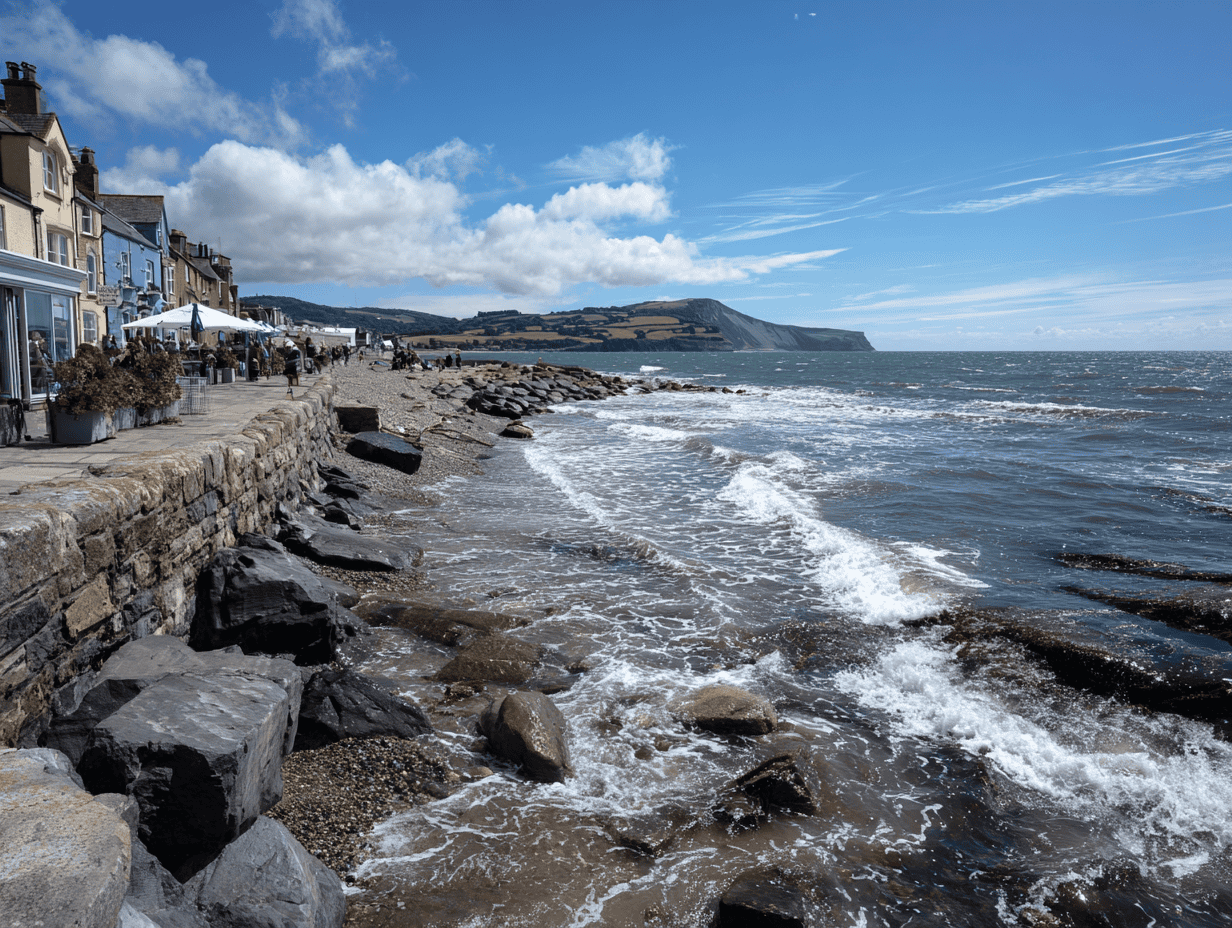
The answer lies at the southern end of the bay. Monkey Beach, the small sand-and-shingle cove tucked between the Victorian pier and the old stone quay, is where the harbour’s history is concentrated. This is where the Purbeck stone trade operated for centuries, stone loaded onto boats at the quay, shipped to London, and on the return journey, the empty holds filled with ballast: London’s cast-off rubble, Victorian ironwork, architectural salvage, and all the ordinary breakage of two centuries of maritime trade.
George Burt, the Victorian entrepreneur who transformed Swanage from a quarrying village to a seaside resort, brought so many London landmarks back as ballast that the town accumulated a peculiar collection of salvaged stonework, including the Wellington Clock Tower, originally built on the south side of London Bridge. It now stands in a garden at The Grove in Swanage.
That history is the glass story here. Come expecting the volumes of Charmouth, and you will leave disappointed. Come knowing that Monkey Beach and the northern stretch of the bay are your best targets, and that the harbour trade gives this ordinary-looking foreshore a more interesting provenance than it first appears, and Swanage is a pleasant Fair beach with a genuine story behind it.
What you’ll find here
Colours commonly found: Green, brown, white
Occasional finds: Blue, Aqua, Amber, Turquoise
Rare finds: Cobalt Blue, Black, Lavender, Red
Bonus: The old stone quay itself is worth exploring at low water. The quay dates from the stone trade era, and the structure has its own character. The South West Coast Path south toward Durlston Country Park is one of the finest short coastal walks in Dorset.
Found something unusual? Try GlassLore, our free sea glass scanner, to explore what it could be and log your find to the gallery and, more importantly, earn points and climb the leaderboard.
When to go
October to April: for Monkey Beach and the northern section, the dog ban on the main beach lifts, and the whole bay is yours. Low tide is the best state regardless of season: the shingle around Monkey Beach and the northern end of the bay is at its most productive when the tide has ebbed. A falling tide, working down from the strandline toward the waterline, is the right approach.
Post-storm visits are worth timing. Swanage Bay faces east across Swanage Bay with some exposure to Channel swell coming up from the south-east, and after rough weather, the strandline refreshes. The bay is relatively sheltered compared to the open Dorset coast, so don’t expect the dramatic glass turnover of Charmouth after a south-westerly storm, but a south-easterly blow does reach this side of Purbeck, and those are the visits worth making.
Today’s ShoreSense Score & Best Hunting Window
Swanage Bay faces east-south-east on the southern tip of the Isle of Purbeck, sheltered from the prevailing south-westerly weather by the Purbeck Hills and St Alban’s Head. The tidal range is modest compared to the open Dorset coast, around 1.5–2 metres on a spring tide, which means the beach profile doesn’t change dramatically between tides.
Start on Monkey Beach and work the shingle and pebble pockets around the old stone quay and pier. Then check the rougher edges where the small cove meets the harbour structures before moving north along the bay. If you want a second hunt, finish on North Beach and scan the upper strandline and any mixed pebble sections. The broad sandy centre is the least interesting ground. Use today’s ShoreSense Best Window to choose when to arrive, then follow this Monkey Beach → old quay → pier pockets → North Beach progression once you’re there.
The ShoreSense widget below combines recent marine conditions, tide timing and practical hunting weather to show today’s overall ShoreSense Score, Hunting Potential, Comfort and the best available hunting window for Swanage. It uses UKHO tide data alongside current marine and weather inputs to help you judge whether conditions look promising for a hunt.
Swanage Beach sea glass conditions
Swanage Beach
Dorset
54/100 — Fair, best window 15:06–18:06.
Best window is 15:06–18:06 with calm sea, so the chance of fresh finds is fair today.
Fair — expectations lower at this beach
Ranked #67 in the UK ShoreSense leaderboard today.
| Tide | Time | Height |
|---|---|---|
| Low water | 04:12 | 0.6 m |
| High water | 09:37 | 2.3 m |
| Low water | 16:36 | 0.5 m |
| High water | 22:02 | 2.2 m |
Where to look on the beach
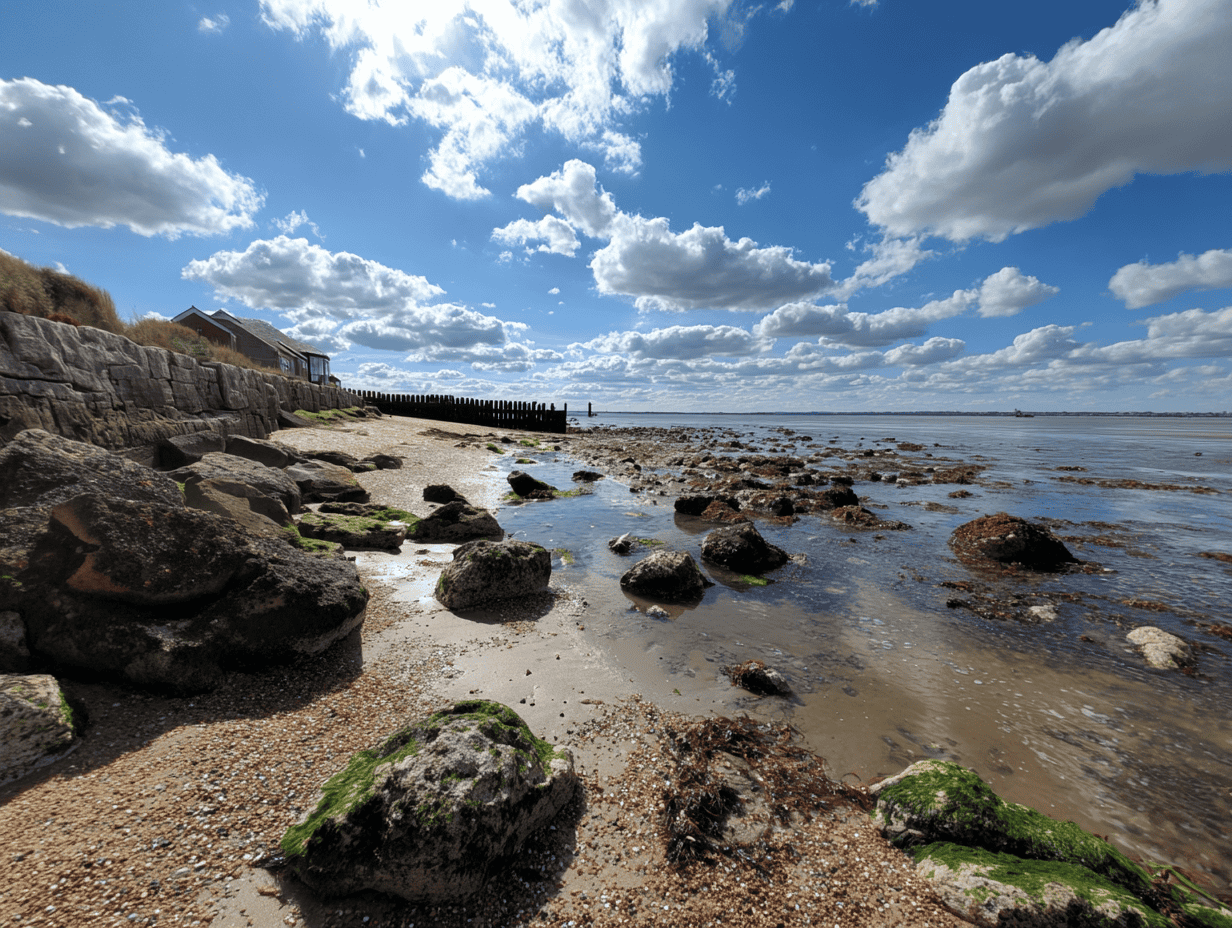
Monkey Beach – your primary target. The small sand and shingle cove at the southern end of the bay, between the Victorian pier and the old stone quay, is dog-friendly all year. Work the pebble ridges where shingle has built up against the quay and pier structure. Material concentrates against these hard structures and stays put between tides.
North Beach – the quieter northern end of the bay, less visited than the main central beach and dog-friendly all year. The beach here has slightly more shingle character than the sandy central section, which improves glass-trapping. Worth working the strandline along here, especially after rough weather.
Central main beach – predominantly sandy, high footfall, lifeguarded in summer. The sand is not conducive to glass concentration. Worth a quick strandline scan, but not the main hunting ground. Dog ban applies 1 May–30 September.
Key Tip:
Skip the central beach and head straight to Monkey Beach. The shingle trapped against the pier and old quay creates natural collection points where glass is far more likely to accumulate than on the open sandy sections of the bay.
Difficulty Level – Beginner
- Easy access throughout the bay
- Productive hunting zones are easy to identify
- No scrambling or difficult terrain required
- Multiple dog-friendly sections can be searched year-round
- Suitable for first-time sea glass hunters and families
Hunting Style – The Harbour Forager
Swanage rewards hunters who focus on structure rather than distance. Search the shingle ridges around Monkey Beach first, then work north along the quieter sections of the bay, paying close attention to strandlines and pebble accumulations. The best finds tend to collect where the sea meets hard harbour features.
Beach Personality
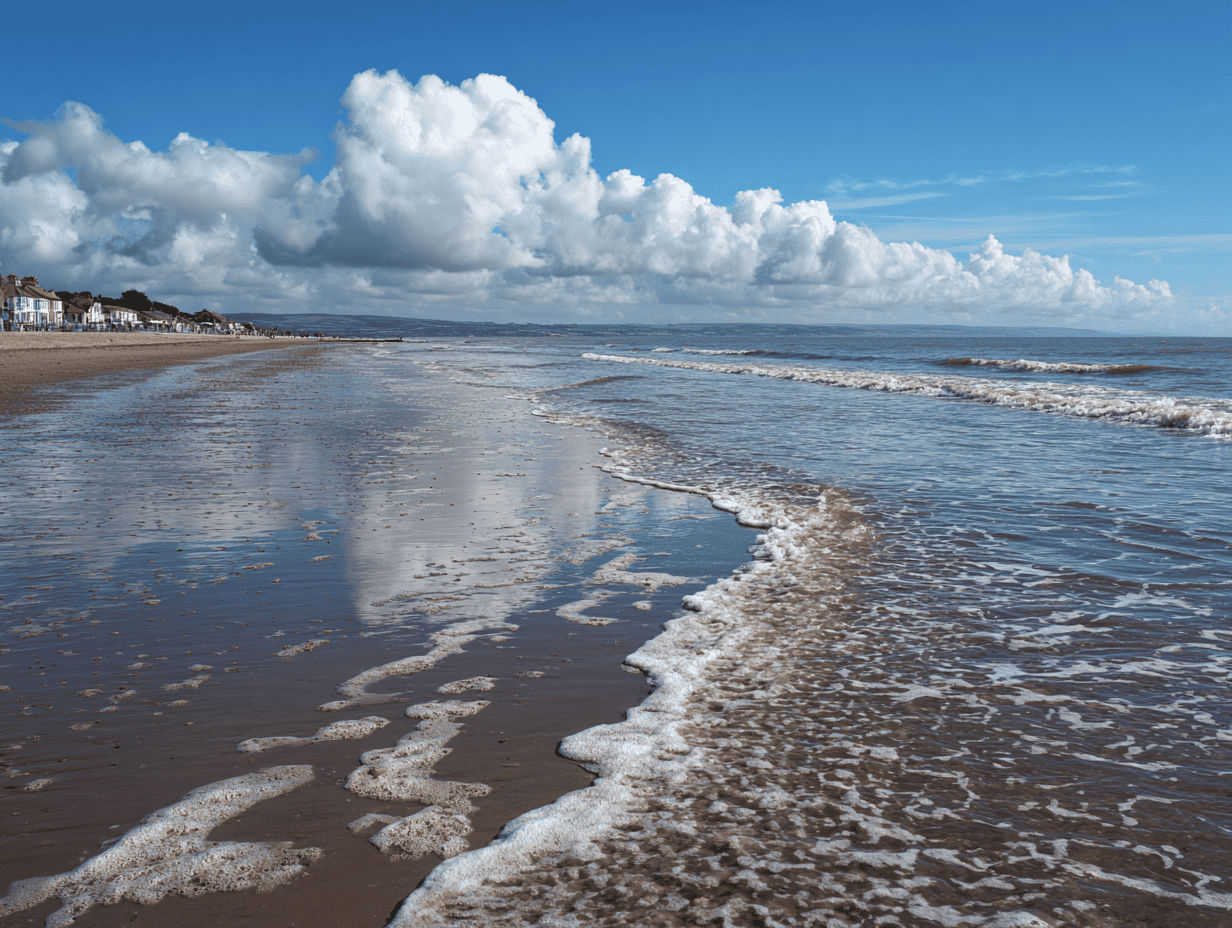
Swanage combines traditional seaside charm with a surprisingly varied shoreline. Colourful beach huts, a Victorian pier and sheltered waters give the bay a welcoming feel, while the harbour area quietly hides the most productive hunting ground. It is a beach that rewards local knowledge, with many visitors spending their day on the sand while the best glass sits tucked away against the old stonework at the southern end of the bay.
Dog friendly?
Monkey Beach is dog-friendly all year round, which neatly coincides with the best hunting section of the bay. North Beach is also dog-friendly all year. The main central beach bans dogs from 1 May to 30 September. In practice, bring them and head straight for Monkey Beach.
The South West Coast Path from Swanage south toward Durlston Country Park and beyond is exceptional dog-walking country and a natural extension after the hunt. Check our Yappy Places listing for Swanage for dog-friendly cafés and pubs in town.
Practical information
Parking: All Swanage’s public car parks are run by the town council, and they’re cheaper than the Dorset Council on-street parking along Shore Road. Use Broad Road (BH19 2BB) for Monkey Beach and the pier; it has 210 spaces. Main Beach on Victoria Avenue (BH19 1AP) has 265 spaces, coach and campervan bays and EV charging. North Beach is off De Moulham Road. Day tickets are transferable between Main Beach and Broad Road, and three-day and weekly tickets work across all three. Pay at the machine or via the JustPark app.
Winter is cheap: £1 a day at Main Beach and Broad Road, and free at North Beach. Overnight parking is free at all three, though motorhomes aren’t allowed to stay overnight in any of them.t.
Accessibility: Swanage has a flat promenade, several ramped beach access points and summer wheelchair matting near Banjo Pier. Accessible parking and toilets are also available. Monkey Beach itself is rougher, with shingle and uneven ground around the old quay, so the best sea-glass hunting area is less accessible than the main central beach.
Food and drink: Good choice throughout the town, seafront kiosks, fish and chip shops, cafés and restaurants along Shore Road and the town centre. The pier itself has a café. Swanage is a well-serviced resort town year-round.
Getting there by heritage railway: Swanage Railway runs regular steam and diesel services between Swanage, Corfe Castle and Norden. Swanage station is a short walk from the beach, so it makes a great add-on to the day. Check the current timetable before travelling, as service patterns vary.
Accessibility: The seafront promenade is accessible. The main beach has level access. Monkey Beach has some uneven ground around the quay area.
What to bring
- Comfortable shoes – the main beach is easy walking; Monkey Beach is rougher around the quay
- A small container for finds
- Tide times checked before you go
- Layers – Swanage faces east, and a south-easterly wind is the one that reaches this bay
- A steam train budget, if you’re coming by rail, the Swanage Railway is genuinely worth it
The history behind the glass
Swanage has been exporting stone for longer than most English towns have existed. Purbeck stone, the grey-blue limestone quarried from the hills behind the town, was already being shipped to London in the medieval period. By the 18th century, the trade had become the economic backbone of the town, with stone boats leaving the quay in a steady stream bound for London’s streets and buildings. Purbeck marble paved the floors of medieval cathedrals. Purbeck stone kerbed the pavements of Victorian London.
The man who turned that trade into something more is John Mowlem, born in Swanage in 1788, the son of a quarryman. He left at seventeen with his tools on his back and eventually built one of the great Victorian construction firms, paving Fleet Street, The Strand, and dozens of other London thoroughfares with Purbeck stone shipped from the quay at his home town. His nephew and partner George Burt took the enterprise further, and between them they transformed Swanage itself using the return ballast trips from London to bring back architectural salvage, ironwork and stone that Burt scattered around the town with a magpie’s enthusiasm.
The Wellington Clock Tower from London Bridge. A cast-iron drinking fountain from the City. Column capitals from London buildings being demolished for road widening. Swanage became, improbably, a repository for Victorian London’s cast-offs.
All those ballast trips, two centuries of boats loading and unloading at the quay, returning with whatever London wanted rid of, put material into the harbour water.
The glass in the shingle around Monkey Beach and the old quay is the residue of that trade, of the fishing boats that worked the bay alongside the stone ships, of the passenger steamers that ran from the pier from the 1870s to the 1960s. It’s modest in volume. But the story behind it is more interesting than most Fair beaches can claim.
From beach to jewellery
Found something in the Swanage shingle? At Mermaid Tears, every piece starts exactly where you’ve been standing. SeaGlass is hand-hunted from UK beaches and handmade into something lasting. Browse the collection →
Disclaimer: Tide times, dog restrictions, parking charges and beach conditions change regularly. Always verify before visiting. Beach byelaws are updated annually. Check with Swanage Town Council or Dorset Council for the most current dog restriction rules.
Last updated: September 2026
Dog rules checked: September 2026 – Swanage Town Council and Dorset Council (Monkey Beach and North Beach unrestricted; main beach banned 1 May–30 September)
Frequently asked questions
Is Swanage good for sea glass? It’s a Fair beach – glass is present around Monkey Beach and the northern end of the bay, with the harbour and quay history giving it a genuine source. The sandy main beach is not the hunting ground; the shingle sections at either end of the bay are. Expectations set correctly, it’s a pleasant visit with a good story behind it.
Where is the best place to look for sea glass in Swanage? Monkey Beach is the small cove between the Victorian pier and the old stone quay at the southern end of the bay. Work the pebble ridges against the quay and pier structures. North Beach at the quieter northern end is also worth trying.
Are dogs allowed at Swanage beach? Monkey Beach and North Beach are dog-friendly all year. The main central beach bans dogs 1 May to 30 September. Monkey Beach is conveniently also the best hunting section, so the two work well together out of season.
What is the best time to visit Swanage for sea glass? October to April, low tide, after south-easterly rough weather. The bay is sheltered from the prevailing south-westerly wind, so it’s south-easterly storms that refresh this foreshore rather than the Channel weather that drives Charmouth and West Bay.
What is Monkey Beach in Swanage? A small sand and shingle cove at the southern end of Swanage Bay, between the Victorian pier and the old stone quay. Dog-friendly all year, less visited than the main beach, and the best section for sea glass hunting in the bay.
Can I arrive at Swanage by steam train? Yes – the Swanage Railway runs heritage steam services from Wareham via Corfe Castle. It’s a genuinely lovely way to arrive. The views of Corfe Castle from the train are excellent, and the station is a short walk from the beach.
More Beaches
Check out our Full Dorset and Hampshire Guide or plan your trip with our UK Sea Glass Map.