Beachcombing at the West Wight’s Best-Kept Secret
Fort Victoria is a fair but worthwhile sea glass hunting beach, especially in the loose gravel and shingle pockets between the rocks east of the fort. Green, brown, and white are the most common finds, with blue, aqua, amber, and turquoise appearing occasionally, and cobalt blue, black, lavender, and red among the rarer colours reported. It’s an intermediate hunt rather than a haul beach, but the compact rocky foreshore rewards slow, careful searching when enough beach is exposed.
- Rating: Fair Beach
- Terrain: Tricky
- Level: Intermediate
- Dog friendly: Yes, dogs welcome all year round
- Location: Norton, Yarmouth, Isle of Wight
- Sat Nav: PO41 0RR
- Common colours: Green, brown, white
- Rare colours: Cobalt Blue, Black, Lavender, Red
Today at Fort Victoria Beach
Check below for the latest ShoreSense score and tide times. Scroll down for your full 7-day forecast
Fort Victoria sea glass conditions
Fort Victoria
Isle of Wight
44/100 — Limited, best window 16:00–19:00.
Best window is 16:00–19:00 with spring tides (near full/new moon) and calm sea, so the chance of fresh finds is limited today.
Limited — a modest beach on a quiet day
Ranked #66 in the UK ShoreSense leaderboard today.
| Tide | Time | Height |
|---|---|---|
| Low water | 05:10 | 0.6 m |
| High water | 11:37 | 2.7 m |
| Low water | 17:30 | 0.7 m |
| High water | 23:43 | 2.7 m |
Best For:
- Well-frosted sea glass
- Solent beachcombing
- Quiet shoreline hunting
- Shingle pocket searching
- Military history lovers
- Intermediate hunters
- Low-tide exploring
- Isle of Wight day trips
Why Fort Victoria?
There are beaches on the Isle of Wight that get all the attention: Yaverland, Shanklin, and Bembridge. Fort Victoria sits quietly at the western end of the island, tucked into the Solent shore between Yarmouth and Freshwater, and most visitors walk past the glass without even noticing it’s there. That’s either a problem or an opportunity, depending on how you look at it.
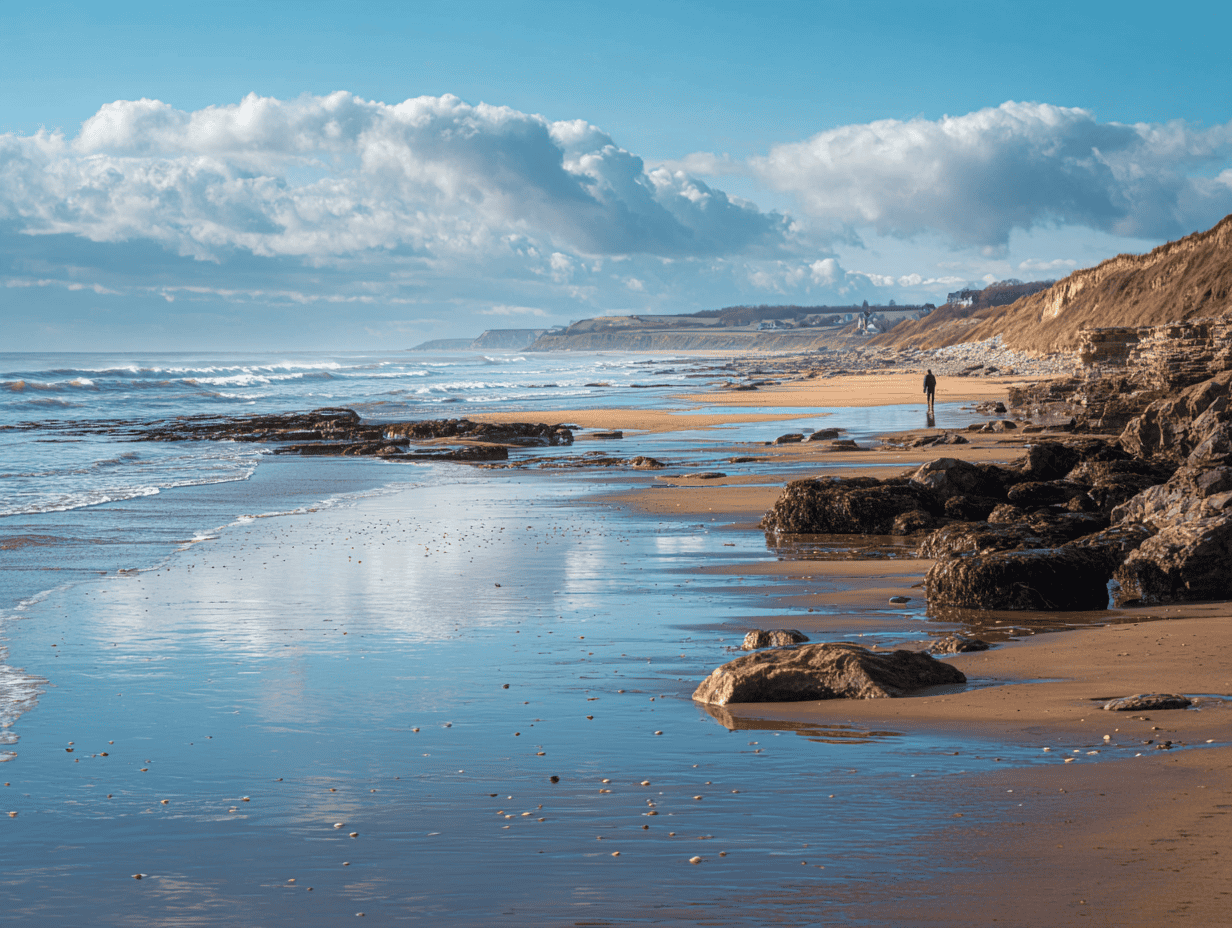
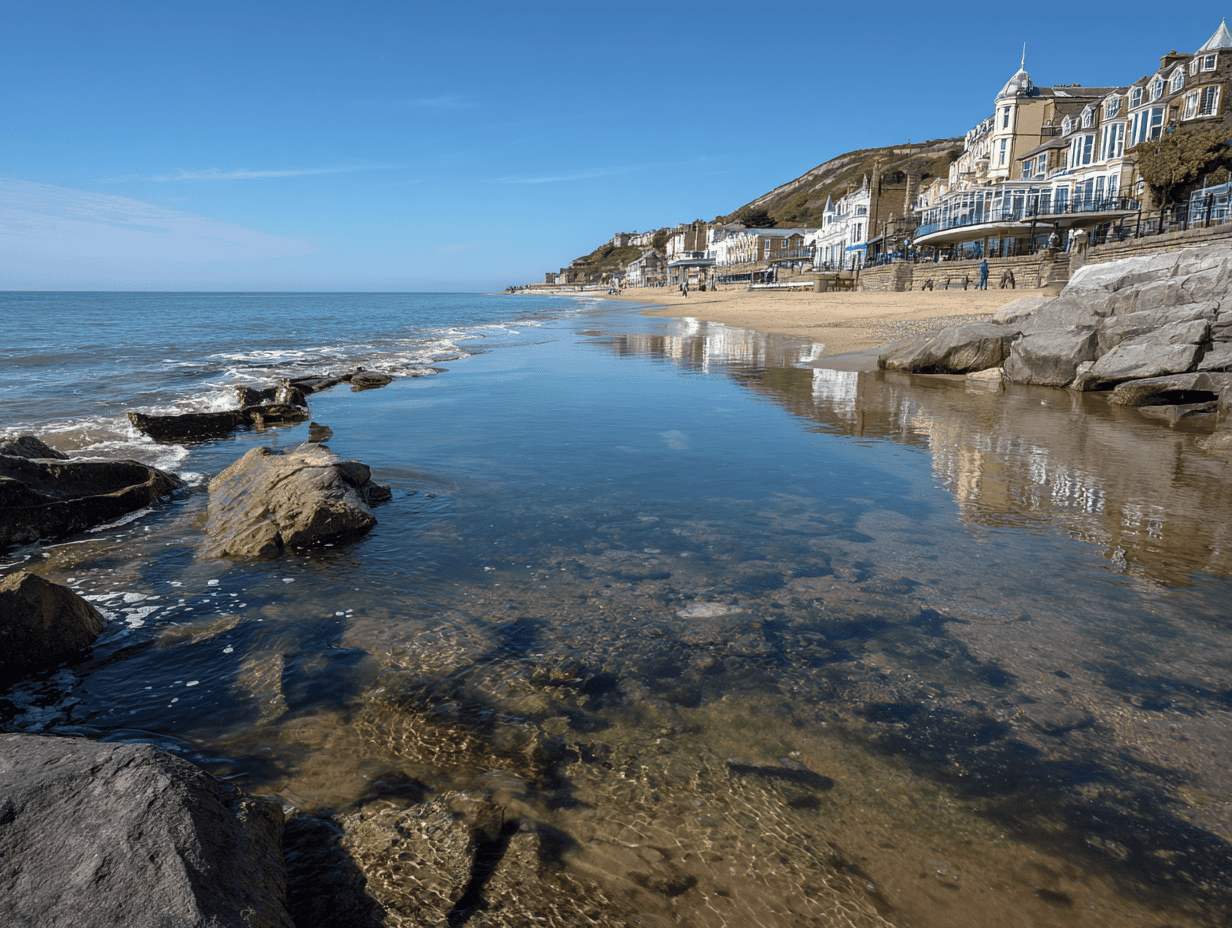
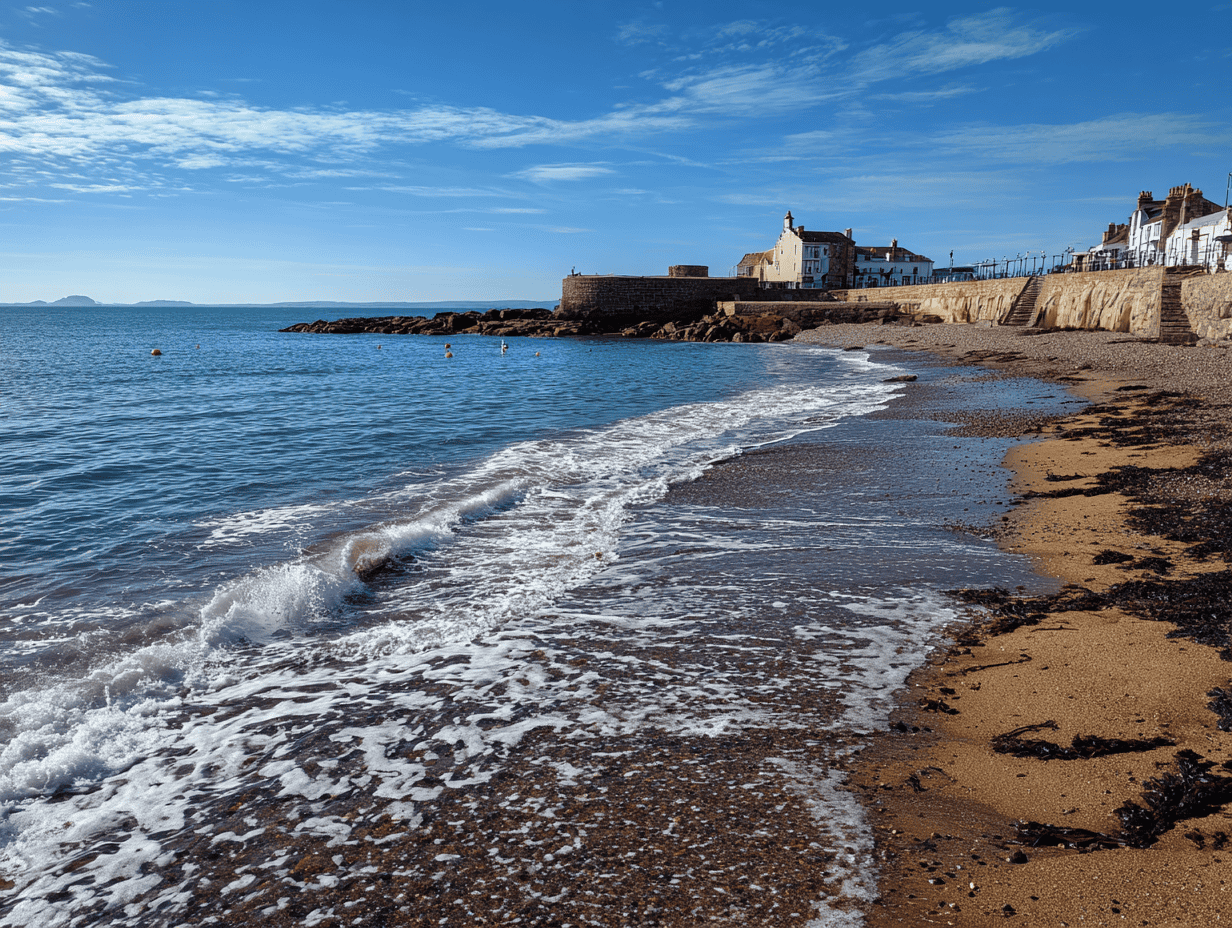
The beach here is narrow, rocky and tidal when the Solent comes in, covering it almost completely. But at low water, a stretch of mixed shingle and rocky foreshore opens up that’s genuinely worth searching. Local IoW sea glass hunters consistently name Fort Victoria as one of their go-to spots, alongside Yaverland, and there’s something in that.
The Solent is a working waterway and always has been, with maritime traffic, fishing activity, the passage of vessels between Portsmouth and the western approaches, and the rocky foreshore here has had centuries to collect and tumble whatever found its way in.
This is not a haul beach. You’re not going to fill your pockets here the way you might at Yaverland after a good storm. But it’s a beautiful, accessible, dog-friendly spot with a genuine sea glass scatter, a fascinating fort history, and one of the most dog-welcoming setups on the island. Your dog would approve.
What you’ll find here
Colours commonly found: Green, brown, white
Occasional finds: Blue, Aqua, Amber, Turquoise
Rare finds: Cobalt Blue, Black, Lavender, Red
Bonus: Fossils. The shore at Fort Victoria is one of the island’s best for fossil beachcombing, with crocodile skin and turtle shell reported among the shingle
Found something unusual? Try GlassLore, our free sea glass scanner, to explore what it could be and log your find to the gallery and, more importantly, earn points and climb the leaderboard.
When to go
Low tide is non-negotiable here. The beach at Fort Victoria effectively disappears at high water. The Solent comes right up to the sea wall. You need to time your visit around low tide to get any meaningful foreshore at all, and ideally, the ebb- the two hours before and after low water give you the best window.
Autumn and winter are the best seasons. The beach is quieter, you’re not competing with fossil-hunting families, and any Solent chop during the stormier months will turn over the shingle and refresh what’s on the surface. The site is open all year, and the car park is free, so off-season visits are genuinely easy to organise.
Today’s ShoreSense Score & Best Hunting Window
Fort Victoria sits on the western Solent, one of the most tidal stretches of water in the UK. The spring tidal range here is around 2.5 metres, modest compared to the open English Channel coasts, but enough to uncover a useful stretch of foreshore when the tide drops. The challenge is that the beach is narrow and mostly rocky, so what low water reveals is relatively compact: you’re hunting carefully over a defined area rather than covering acres of open shore.
Fort Victoria is unusually tide-dependent because much of the beach disappears at high water. As the tide falls, start on the shingle banked along the strandline below the fort, then work the loose gravel pockets between the larger rock outcrops as more foreshore opens. Keep moving east towards Fort Albert, where the shoreline is generally quieter, and there are more small pockets of trapped shingle to inspect.
Bigger lows expose more of this compact rocky foreshore, but the useful hunting ground remains relatively narrow compared with an open beach. Use today’s ShoreSense Best Window to choose when to arrive, then follow this strandline → gravel-pocket → eastern-foreshore progression once you’re there.
The ShoreSense widget below combines recent marine conditions, tide timing and practical hunting weather to show today’s overall ShoreSense Score, Hunting Potential, Comfort and the best available hunting window for this beach. It uses UKHO tide data alongside current marine and weather inputs to help you judge whether conditions look promising for a hunt.
Fort Victoria sea glass conditions
Fort Victoria
Isle of Wight
44/100 — Limited, best window 16:00–19:00.
Best window is 16:00–19:00 with spring tides (near full/new moon) and calm sea, so the chance of fresh finds is limited today.
Limited — a modest beach on a quiet day
Ranked #66 in the UK ShoreSense leaderboard today.
| Tide | Time | Height |
|---|---|---|
| Low water | 05:10 | 0.6 m |
| High water | 11:37 | 2.7 m |
| Low water | 17:30 | 0.7 m |
| High water | 23:43 | 2.7 m |
Where to look on the beach
The beach at Fort Victoria runs east from Sconce Point along the Solent shore. Walk past the fort buildings and down to the water; the sea wall gives way to the natural foreshore. Work along the strandline where shingle has banked up, and look in the gaps between the larger rocks where smaller pieces collect and sit. The pockets of loose gravel between rock outcrops are your best bet. Glass here tends to be well-frosted, and the small Solent tumbles it thoroughly.
The eastern end of the beach, towards the Fort Albert coastal path, tends to be quieter and less walked. If the main stretch near the car park has been picked over, head along the shore in that direction.
Stay aware of the tide. The foreshore here shelves quickly, and the Solent tidal flow is fast, the current through the Needles Passage is notoriously strong. Don’t get caught out by a fast-flooding tide.
Difficulty Level
Intermediate
The terrain itself isn’t particularly difficult, but:
- productive areas are spread out
- rock hopping is often required
- tide awareness is important
- the best finds sit in subtle gravel pockets
Hunting Style
“Gravel Pocket Hunting”
Meaning:
- search slowly
- inspect every pocket
- focus on trapped gravel
- let the beach structure guide you
Dog friendly?
Yes, Fort Victoria is one of the best dog-friendly beaches on the Isle of Wight, and it’s dog-friendly all year round. The Country Park even appeared on the Good Dog Campaign’s list of the top ten dog walking spots in the UK.
There’s woodland behind the beach for a proper walk, coastal paths in both directions, and Cafe Verdi in the park itself welcomes dogs and serves doggy ice cream. If anywhere on the IoW is built for a dog day out, it’s this. Check our Yappy Places listing for Yarmouth for more dog-friendly spots in the area.
Practical information
Parking: Free car park on site at Fort Victoria Country Park, Westhill Lane, Yarmouth, PO41 0RR. Ample spaces, open all year.
Toilets: On-site at the Country Park, including baby change and accessible facilities.
Food and drink: Cafe Verdi is located within the fort complex, dogs welcome, outdoor seating with Solent views, and seasonal opening. Ice cream van on site in peak season.
Getting there without a car: Southern Vectis bus services run to Yarmouth; the park is around a mile from Yarmouth town centre and can be reached on foot along the coastal path. Yarmouth is served by Wightlink ferry from Lymington.
Accessibility: The car park and fort grounds are largely accessible. The beach itself is rocky and uneven, not suitable for wheelchairs or pushchairs.
What to bring
- Sturdy waterproof footwear – the rocks are slippery, and the foreshore is uneven
- A small container or zip-lock bag for your finds
- Tide times checked in advance – the Solent moves fast
- Layers – the western Solent is exposed to south-westerly winds
- A camera – the views across to Hurst Castle on the mainland are worth it
The history behind the glass
Fort Victoria was built between 1852 and 1855 as one of a chain of Palmerston coastal defences, designed to protect the Needles Passage and the approaches to Portsmouth from the threat of French invasion. It was a functioning military fort until 1962, over a century of occupation, supply runs, and the ordinary waste of garrison life. The military presence on this stretch of coast goes back even further: Henry VIII built an earlier fortification on the same point in the 1540s.
The Solent itself has been one of Britain’s busiest maritime corridors for centuries. Yarmouth harbour, just to the east, has served as a key crossing point since medieval times, with a constant flow of vessels, fishermen, ferry traffic, and the long history of the Royal Navy passing through on its way in and out of Portsmouth.
All of that activity, over all those centuries, leaves a trace in the shingle. The glass at Fort Victoria is not the product of one industrial event, like Seaham’s bottle works; it’s the accumulated residue of everything this stretch of water has seen.
From beach to jewellery
Found something special at Fort Victoria? At Mermaid Tears, every piece starts exactly where you’ve been standing, hand-hunted from UK beaches and handmade into something lasting. Browse the Seaglass collection
Disclaimer: Tide times, dog restrictions, parking charges and beach conditions change regularly. Always verify before visiting. Beach byelaws are updated annually. Check with the local council or beach authority for the most current rules.
Last updated: Aug 2026
Frequently asked questions
Is Fort Victoria beach good for sea glass hunting? It’s a fair-rated beach rather than a top spot; you won’t find the volumes you’d get at Yaverland or Seaham. But IoW sea glass hunters consistently name it a genuine find location, and the combination of glass and fossil hunting makes it a rewarding visit.
When is the best time to visit Fort Victoria for sea glass? Low tide, ideally on the ebb. The beach disappears at high water, so tide timing is more critical here than almost anywhere else on the island.
Are dogs allowed at Fort Victoria beach? Yes, year-round, with no seasonal restrictions. Fort Victoria Country Park is one of the most dog-welcoming spots on the Isle of Wight.
Is there parking at Fort Victoria? Yes, free parking at the Country Park car park, PO41 0RR. One of the rare genuinely free beaches on the IoW.
Can you find fossils as well as sea glass at Fort Victoria? Yes. The shore is well known for fossil beachcombing, with crocodile skin and turtle shell fragments reported in the shingle. It’s a dual-interest beach.
What is there to do at Fort Victoria besides beachcombing? The Country Park includes a café, planetarium, reptilarium, woodland walks, and coastal paths. It’s a full day out even if the tide doesn’t cooperate.
More Beaches
Check out our Full Isle of Wight Guide or plan your trip with our UK Sea Glass Map.